Marketing & Growth for Plumbing Companies
Plumbing marketing, local SEO, lead generation, and job mix strategy for plumbing contractors.
Constant Demand Does Not Mean a Predictable Pipeline
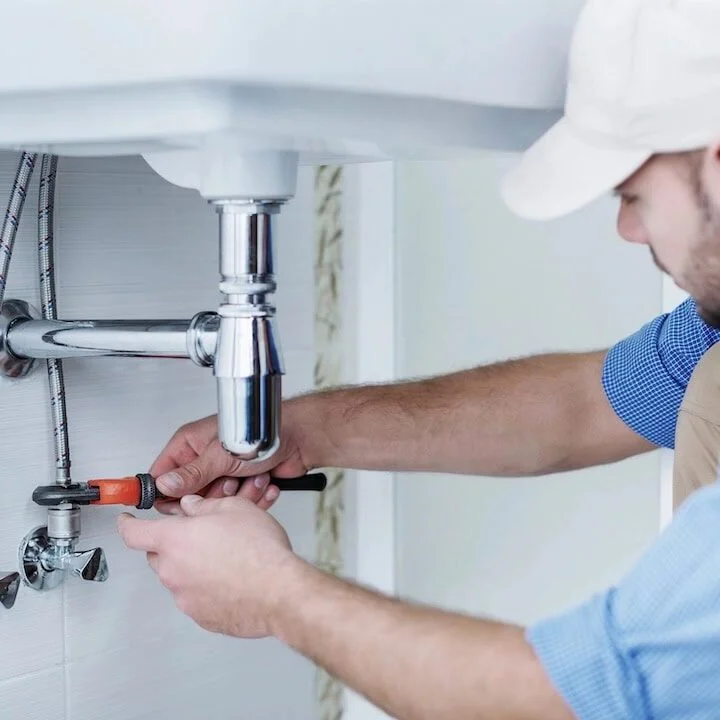
Leaks happen. Water heaters fail. Drains clog. Plumbing is one of the few trades where demand never really stops, which is why the pipeline problem catches owners off guard.
The issue is what kind of work comes in. Emergency calls fill the schedule and eat the day. A tech spends three hours on a clog, bills a few hundred dollars, and the truck rolls to the next one. Meanwhile, the water heater replacement, the repipe, and the sewer line job go to whoever showed up first in the search results.
Most plumbing companies are visible for emergencies and invisible for everything else. Homeowners searching for a plumber at 11 pm find you. Homeowners researching a tankless install on a Saturday afternoon do not.
Social Status builds plumbing marketing around planned work as well as emergency demand, because planned work is often where companies have more room to improve job mix and margins.
Why the Schedule Stays Full and the Margin Stays Flat
- Inbound is almost entirely emergency, so revenue tracks whatever broke this week
- Planned work like repipes and water heater replacements has no visibility in search
- Estimates go out, and nobody follows up, so quoted jobs quietly go cold
- Pricing varies by whoever answered the phone
- The owner handles dispatch, quoting, and follow-up personally
Volume is not the constraint. The mix is.
Shifting the Job Mix
Emergency work is not the enemy. It pays, it builds relationships, and it is often how a customer meets you. The problem is when it is the only thing arriving.
Planned work behaves differently in search. A homeowner with a failing water heater does not call in a panic. They may spend time comparing tank versus tankless options, prices, warranties, and reviews before choosing who to call. That is usually a longer decision, often a larger-ticket job, and a search opportunity that calls for different content than an emergency query.
What moves the mix:
Every major job type needs its own page. Water heater replacement, whole-home repipe, sewer line inspection, tankless conversion. One general services page often does not give a major job type enough depth or focus to compete well in search. Separate pages match how people actually search. See how service-page strategy fits into the website work.
The content has to answer the question they’re actually asking. What does a repipe cost? How long does it take? Do walls come out? Homeowners researching planned work want those answers before they call, and the company that provides them gets the call.
Quoted work needs a follow-up sequence. A water heater quote that sits unanswered for six days can become an expensive revenue leak. Emergency work closes itself. Planned work does not.
Pricing has to be consistent. Two techs quoting the same job differently is a margin problem and a review problem. Customers compare notes.
What Social Status Builds for Plumbing Companies
- Local SEO and Google Business Profile optimization covering the full range of plumbing search, from emergency terms to planned replacement and install work
- Service pages built individually for water heaters, repipes, sewer lines, drain cleaning, and emergency response
- Estimate follow-up automation and missed-call text-back so quoted work does not go cold
- Review systems that turn completed jobs into consistent profile activity
- Pricing and margin support so quotes are consistent across your team
How This works
The first 90 days are diagnostic. Social Status pulls your revenue by job type, finds where quoted work is dying, and identifies planned-work searches where your company has an opportunity to improve visibility in the local market.
Build order runs by leverage. Google Business Profile is often an early priority because it can lead directly to local calls. Estimate follow-up comes next, because it helps recover value from leads and quotes already coming in. Service pages for planned work follow, because their value compounds over time.
Then it is measurement: calls, booked jobs, average ticket by job type, quote-to-close rate, and the ratio of emergency to planned revenue. That last number matters most here.
One Partner for Visibility, Systems, and Strategy
Social Status works only with trades and service businesses. One partner covers visibility, systems, and strategy, so there is no marketing agency, web vendor, and consultant to coordinate. We measure everything against booked jobs and margin. More about how Social Status operates.
Ready to Change Your Job Mix?
Book a Revenue Map Call. This is a paid strategic working session, not a sales pitch.
In 60 to 90 minutes:
- Review your revenue by job type and where the margin actually sits
- Identify how much quoted work is going unclosed
- Identify planned-work searches where your company can improve visibility in the local market.
- Map the highest-leverage moves for your plumbing company
You leave with a prioritized plan you can use whether or not we work together.
Frequently Asked Questions
Emergency calls dominate our schedule, but they are not our most profitable work. Can you shift the mix?
Yes, by building visibility for planned work specifically: water heater replacements, whole-home repipes, sewer line inspections, and tankless conversions. Each gets its own service page built around how homeowners research that job. Those decisions often take longer than emergency searches and give a company more opportunity to earn the call before a homeowner is ready to book. Emergency inbound stays where it is. Planned work gets added alongside it, which changes the margin without turning away calls.
We are losing quoted jobs because we do not follow up consistently. Can you fix that?
An automated estimate follow-up process makes a second contact far more consistent, so quotes are less likely to sit unattended. This is especially important for planned plumbing work, where homeowners may compare providers and take time to decide. Consistent, useful follow-up helps keep an estimate from being forgotten after the initial visit. Social Status builds the sequence with scheduled reminders, missed-call text-back, and tracking that shows which quotes are still open.
Pricing is inconsistent across our team, and it is hurting our margins. Do you address that?
Pricing gets treated as part of the growth work rather than something separate from marketing. Inconsistent quoting is both a margin problem and a trust problem, because customers who hear different numbers for the same job leave reviews that say so. A structured pricing framework can improve consistency, protect margin, and make the conversation easier for the person presenting the estimate.
We have good reviews, but we are still not showing up in the map pack. What is missing?
Reviews matter, but a strong review profile does not compensate for weaknesses elsewhere in local visibility. The audit should also examine the accuracy and completeness of the Google Business Profile, relevant categories and services, local prominence, website signals, and proximity to the searcher. Not every factor is within a company’s control, so the work should focus on the signals that are. The audit identifies which specific signals are weak in your market rather than assuming reviews are the answer.