
Marketing & Growth for Auto Repair Shops
Auto repair shop marketing, local SEO, customer-retention systems, and follow-up support for independent repair shops.
The Repair Is Not the Customer Relationship
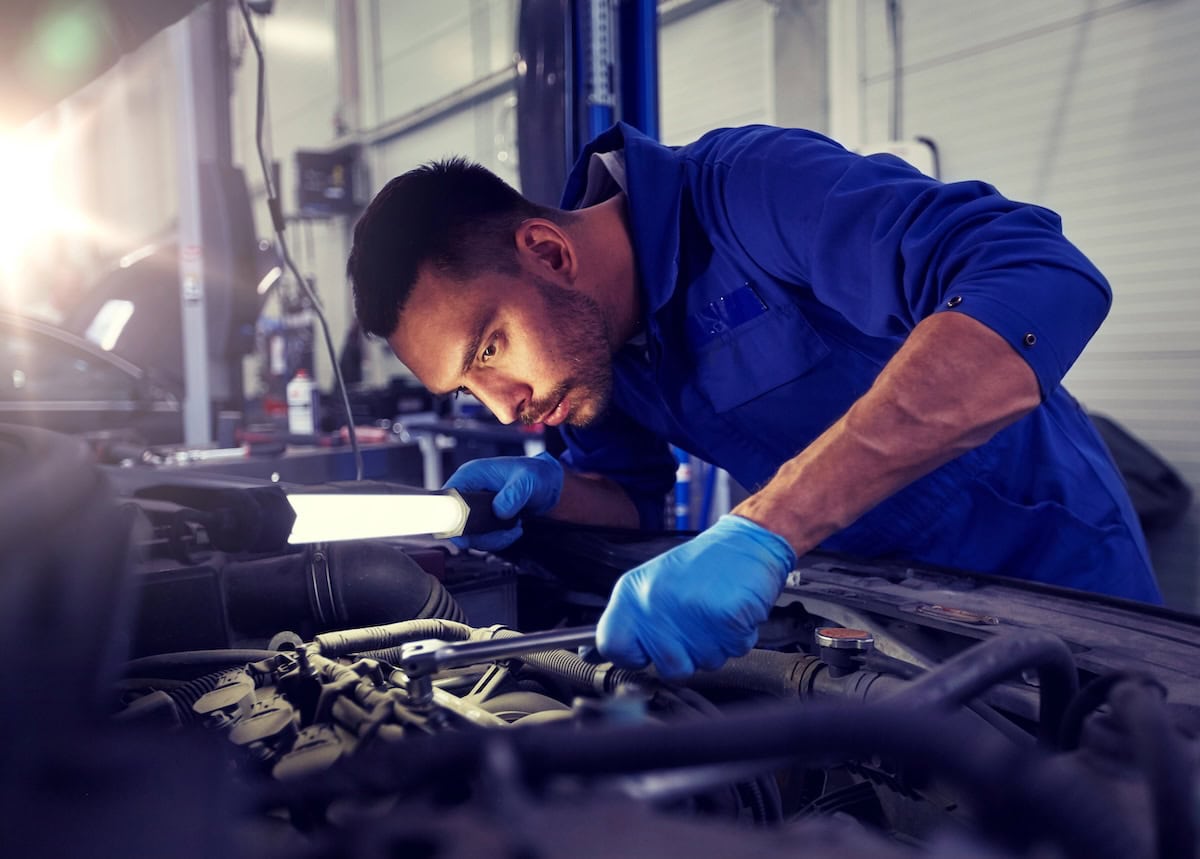
A driver may find a shop because their check engine light came on, the brakes started grinding, or the car would not start. That first repair is important, but it is only one visit.
The more valuable question is what happens next.
Does the customer return for maintenance, a declined recommendation, the next diagnostic problem, tires, brakes, or the larger repair that eventually comes? Or do they disappear back to the dealership, a national chain, or whichever shop appears first the next time they search?
Social Status builds auto repair shop marketing around that second question: helping independent shops get found when drivers need help, then giving those drivers a reason and a system to come back.
A Busy Shop Can Still Leak Revenue
A full schedule does not always mean a healthy customer base. Shops can stay busy with oil changes, inspections, and one-time repairs while losing the work that compounds over time.
The gaps often show up here:
- The shop ranks for broad searches but not for the specific services it wants more of.
- A driver finds the business once but has no useful reason to return before the next service need.
- Recommended repairs are declined, and the customer never receives a thoughtful follow-up.
- Maintenance reminders are inconsistent or do not reflect the vehicle and service history.
- Reviews may arrive inconsistently, so the Google Business Profile does not always reflect the current customer experience.
- The owner or service advisor is still responsible for every call, estimate, reminder, and follow-up.
The goal is not simply more cars through the door. It is a stronger base of returning customers and a better mix of repair work.
The Dealership Is Competing for the Next Visit
Independent repair shops often win the first visit on convenience, price, location, or a specific problem. Dealerships retain customers through service reminders, manufacturer messaging, vehicle-history records, and the assumption that they know the car best.
A shop does not have to imitate a dealership. It does need to make the next visit easier.
Recommended work needs a follow-up path. Not every customer can approve a repair on the day it is recommended. A clear explanation, a documented estimate, and appropriate follow-up can help the customer return when they are ready.
Maintenance should not disappear after checkout. Drivers often remember the urgent repair, not the next interval. Useful reminders and service-history communication help the shop remain relevant between visits.
Service pages should match how drivers search. Brake repair, check-engine-light diagnostics, transmission service, oil changes, AC repair, suspension work, and fleet maintenance are different problems. Each major service deserves a clear page only if the shop actually performs it.
Reviews are part of the decision. A driver comparing a local shop, a dealership, and a chain may read recent reviews for signs of honest recommendations, clear communication, fair pricing, and work that was done correctly.
What Auto Repair Shop Marketing Should Build
Auto repair shop marketing should help the right drivers find the shop, understand the service they need, book an appointment, and return when the next service need arises.
- Local SEO and Google Business Profile optimization for repair, maintenance, diagnostic, and local “mechanic near me” searches
- Individual service pages for the repair categories the shop wants to grow, such as diagnostics, brakes, AC, transmission, suspension, maintenance, or fleet work
- Lead-response, estimate-follow-up, and customer-reminder systems that support consistent communication after an inquiry, inspection, or declined recommendation
- Review systems that support a current, credible Google Business Profile
- Positioning, pricing, and margin support for the customer and service mix the shop wants to build
How This Works
The first 90 days are diagnostic. Social Status reviews current visibility, lead sources, service mix, appointment flow, missed calls, estimate follow-up, declined work, retention opportunities, and which services carry the strongest opportunity for the shop.
Build order runs by leverage. Google Business Profile and appointment-response handling are often early priorities because they affect customers who are already searching. Major service pages come next because they help the shop become visible for the repair and maintenance work it wants more of. Follow-up, reminder, and review systems support retention after the first visit.
Then the work is measured against calls, booked appointments, average repair order by service type, estimate-to-approval rate, returning-customer activity, response time, and the mix of maintenance, diagnostics, and larger repair work. Rankings are useful context, but they are not the report.
Ready to Build a Stronger Auto Repair Customer Base?
Book a Revenue Map Call. This is a paid strategic working session, not a sales pitch.
In 60 to 90 minutes:
- Review current lead flow, appointment booking, and customer-return patterns
- Identify missed-call, estimate-follow-up, and declined-work gaps
- Assess which repair and maintenance services deserve dedicated visibility
- Map the highest-leverage moves for the shop
You leave with a prioritized plan you can use whether or not we work together.
Frequently Asked Questions
How can auto repair shop marketing help us get more than oil changes and basic maintenance?
Start by measuring current revenue by service type and deciding which work the shop wants more of. Then give those repair categories clear service pages, local visibility, and a straightforward booking path. The goal is not to stop promoting routine maintenance. It is to make the shop easier to find for diagnostics, brakes, AC, suspension, transmission, fleet work, or other services that fit its capacity and margins.
Customers decline recommended repairs. How do we bring them back later?
First, make sure the customer leaves with a clear explanation of the recommendation, the estimate, and any relevant urgency or safety context. Then create a follow-up process that is appropriate to the service, rather than relying on an advisor to remember every open recommendation. Useful follow-up helps the customer return when they are ready without turning the conversation into repeated pressure.
How can an independent shop compete with dealerships?
An independent shop can compete by making trust and convenience visible. Recent reviews, clear service information, accurate local search listings, straightforward appointment booking, documented recommendations, and helpful post-visit communication help drivers see the shop as a reliable long-term alternative. The goal isn’t to mimic a dealership. It is to give customers a clear reason to return.
How do we get more local auto repair leads?
Start with the services drivers actively search for in the local market and make sure the Google Business Profile, service pages, reviews, and appointment path support those searches. Then measure which sources produce booked appointments, not just calls or website traffic. Social Status can help build the visibility and response systems behind that process.