
Marketing & Growth for HVAC Contractors
HVAC marketing, local SEO, lead generation, and maintenance agreement growth for contractors.
Most HVAC Companies Have a March Problem, Not a July Problem
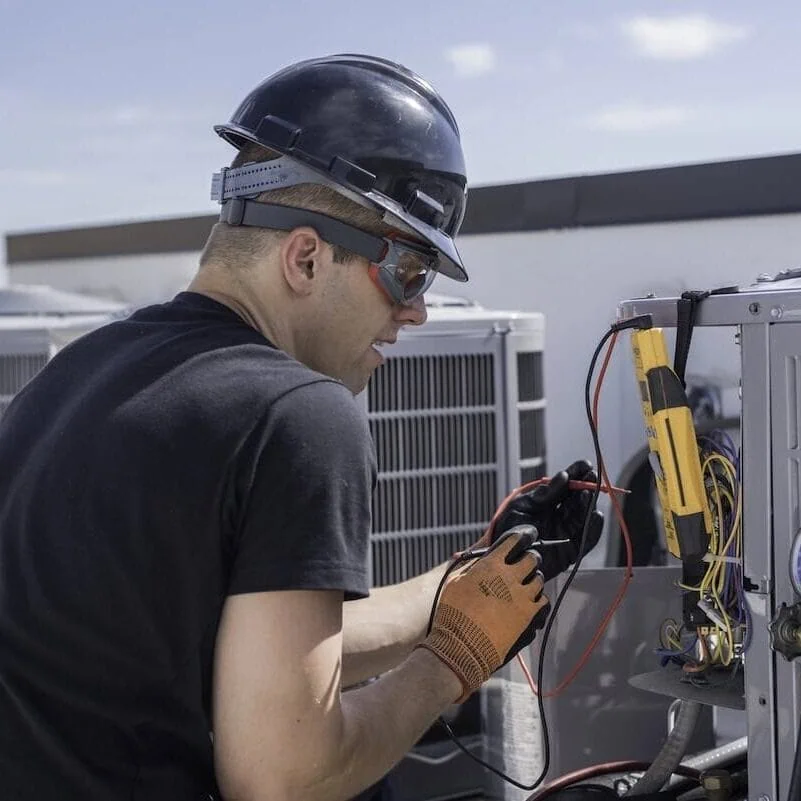
Demand is not the problem in July. The phone rings when it hits 96 degrees, and it rings again when a furnace quits in January. Every HVAC company in your market gets those calls.
The problem is the eight to twelve weeks in spring and fall when it stops. Techs go home early. Payroll does not change. The install you were counting on to cover a slow month gets pushed to next quarter.
Most owners respond by spending more during peak season, when the leads are already coming, then cutting back in the shoulder months, when they need them. That is backwards, and it is expensive.
For local Google results, relevance, distance, and prominence matter. A profile that starts producing calls in March was built in December. A company that only markets when it is busy stays permanently behind.
Social Status plans HVAC marketing around the slow months, because that is where the revenue gap is most visible.
Why Revenue Collapses Between Seasons
Growth stalls in HVAC for reasons that have nothing to do with technical ability:
- Marketing ramps up in June and December, then goes quiet in April and October
- The maintenance agreement base is small, flat, or has not been counted in years
- Emergency calls get answered fast, but the estimate sent Tuesday never gets a second contact
- Pricing on installs drifts because nobody has structured it
- The owner runs dispatch, quotes, and follow-up personally, so nothing improves when it gets busy
Every one of those compounds in the same direction. Peak season covers the gaps. Shoulder season exposes them.
The Maintenance Agreement Base Is the Fix
The structural answer to seasonality is recurring revenue, and in HVAC that means agreements. A company with 400 active agreement holders usually has a more stable base for March than a company with 40, assuming the agreements are priced, renewed, and serviced well.
Most owners already know this. What stalls them is that they treat agreement growth as something techs remember to mention, rather than a system.
Here is what actually moves the number:
The offer has to be explainable in one sentence. If a homeowner cannot repeat what they get for the money, they decline. Two visits, priority scheduling, a discount on repairs, no diagnostic fee. Simple beats generous.
Every completed service call gets a follow-up. Not a mention at the truck. A message the next day, while the repair is still fresh, when the value of avoiding the next one is obvious.
Renewals matter more than signups. A base that adds 100 and loses 90 is not growing. The renewal sequence starts 45 days out, not the week it lapses.
The agreement needs its own page. Homeowners research before they commit to anything recurring. A page that explains terms, price, and what is covered closes agreements that a phone conversation will not.
Two honest limits. Marketing cannot fix an agreement priced wrong for your market, and it cannot make techs sell something they don’t believe in. If the offer is weak, we fix it before promoting anything.
What Social Status Builds for HVAC Contractors
HVAC marketing here means the full system, not one channel:
- Local SEO and Google Business Profile optimization targeting the searches your customers actually run: AC repair near me, furnace replacement cost, emergency HVAC service, and the tune-up and air quality terms that carry the shoulder months
- Service pages built for each job type, including AC repair, furnace replacement, mini-split installs, tune-ups, and the maintenance agreement itself
- Lead response automation that answers after-hours contacts and keeps estimates alive past the first follow-up
- Review systems that keep the profile active year-round instead of only during the months you are busy
- Agreement renewal sequences and upsell workflows tied to service history
- Pricing and margin support on installs and agreements
For the full lead picture, including what LSA and Google Ads leads cost in 2026, see how to get more HVAC leads.
How This Works
The early work is diagnostic and foundational. During the first 90 days, Social Status audits visibility, reviews the maintenance-agreement base and renewal rate, finds where estimates are being lost, and identifies shoulder-season search opportunities in the local market.
Build order runs by leverage. Build order runs by leverage. Google Business Profile is often an early priority because it can be a direct path to local calls. Lead response follows, because more lead volume has limited value if new contacts do not receive a timely response. Service pages and agreement infrastructure come next because they compound over time.
After that it is measurement and adjustment: calls, booked jobs, average ticket by service type, close rate, agreement conversion, and renewal rate. Rankings get tracked, but they are not the report.
Social Status works only with trades and service businesses. One partner covers visibility, systems, and strategy, so there is no marketing agency, web vendor, and consultant to coordinate. Everything is measured against booked jobs and margin. More about how Social Status operates.
Ready to Fix Your Shoulder Season?
Book a Revenue Map Call. This is a paid strategic working session, not a sales pitch.
In 60 to 90 minutes:
- Review your current lead flow, close rates, and visibility
- Count and assess your maintenance agreement base
- Identify your biggest revenue leaks
- Map the highest-leverage moves for your HVAC company
You leave with a prioritized plan you can use whether or not we work together.
Frequently Asked Questions
How do we generate HVAC leads in the shoulder months?
Focus on planned-work searches that happen when nobody is in crisis: tune-ups, duct cleaning, air-quality assessments, efficiency consultations, and system-age evaluations. Those terms can be less competitive than emergency searches, depending on the market. The work has to start before the slow season, since local visibility builds over months, not weeks. The goal is a steadier floor under quiet months rather than a bigger spike in busy ones.
When someone searches “emergency HVAC” at midnight, how do we make sure they find us?
Make it easy for an urgent caller to find a clear phone number, understand whether you provide after-hours service, and reach a real response path quickly. Emergency service pages and an accurate Google Business Profile support that visibility. Social Status can build the pages, local-profile improvements, and automated text-back or routing workflow that support the response side.
How do we grow our maintenance agreement base?
Treat agreement growth as a system, not something technicians mention at the truck. That means a dedicated agreement page explaining terms and price, a follow-up sequence sent after service calls, and a renewal sequence that starts before expiration. Track renewal rate alongside new signups, because a base that adds 100 and loses 90 has not grown.
How do we compete against companies with much bigger ad budgets?
Build advantages that budget cannot buy quickly: recent reviews, a complete and accurate Google Business Profile, consistent response systems, and a reputation for showing up when homeowners need help. A large competitor can outspend you on ads this month. Building local trust and response consistency takes sustained work.